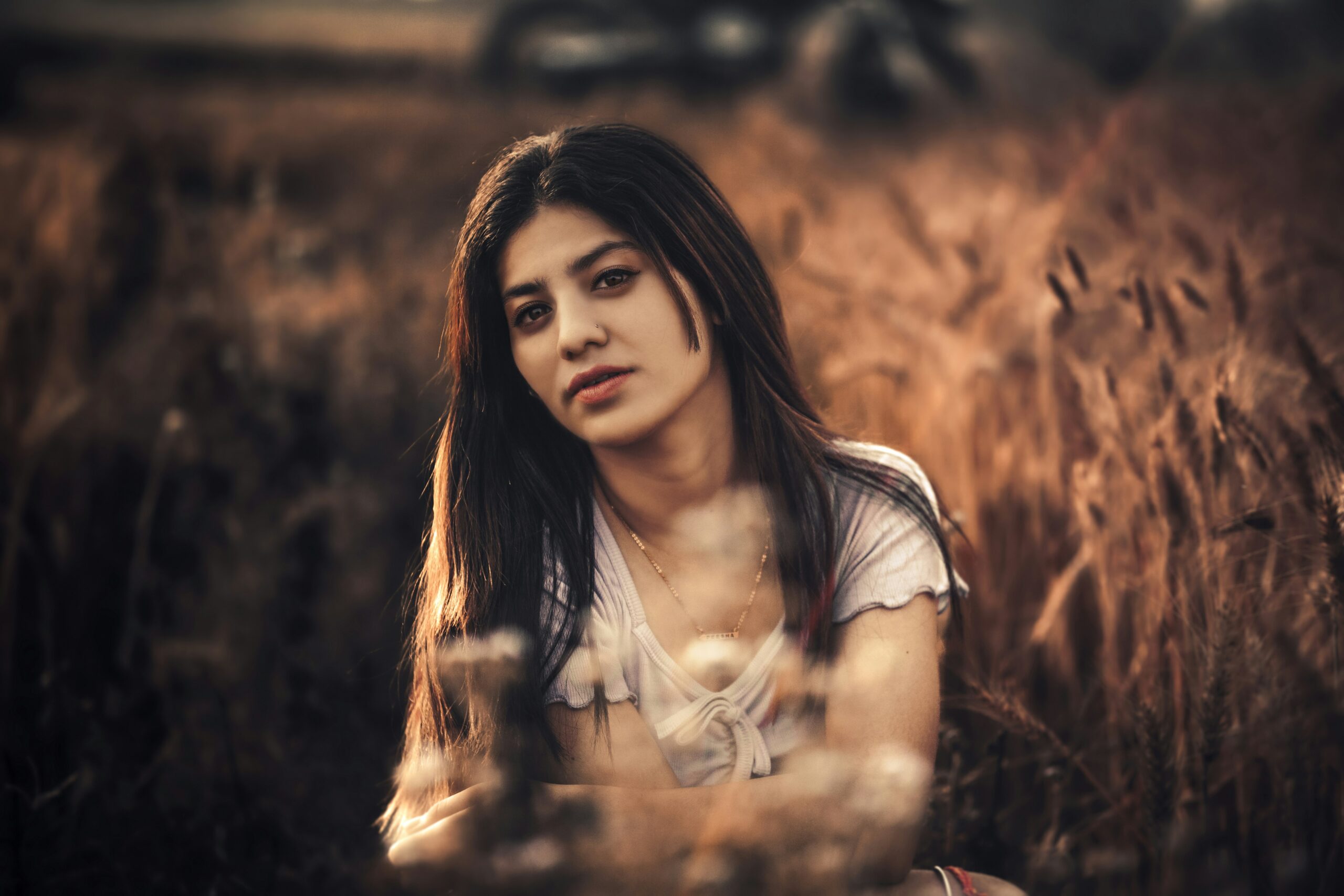
Cinematic photography transforms ordinary images into powerful visual stories, allowing photographers to evoke emotion, depth, and atmosphere. To begin with, this style draws inspiration from film and storytelling, blending technical precision with artistic vision. As a result, photographers can create images that feel like movie scenes rather than simple snapshots. Moreover, mastering cinematic photography requires understanding light, composition, color, and narrative intent, all working together seamlessly.
At the same time, many beginners assume cinematic photography demands expensive gear or complex setups, but that is not entirely true. Instead, the key lies in how you use the tools you already have. By focusing on storytelling, mood, and intentional framing, you can significantly elevate your photography. Therefore, with the right techniques and consistent practice, anyone can develop a cinematic style that stands out.
Understanding Cinematic Composition
First of all, composition plays a crucial role in cinematic photography because it guides the viewer’s eye and builds visual interest. For instance, using techniques like the rule of thirds, leading lines, and framing helps create balanced and engaging images. Additionally, filmmakers often place subjects off-center to create tension or emphasize the surroundings; you can apply the same principle to your photos. Consequently, thoughtful composition can turn a simple scene into a compelling narrative.
Furthermore, you should pay attention to depth and layers when composing your shots. By including foreground, middle ground, and background elements, you add dimension and realism to your image. In addition, using wide angles or shooting through objects like windows or foliage can create a more immersive experience. As a result, your photos will feel more dynamic and cinematic rather than flat or static.
Mastering Lighting for Mood
Equally important, lighting defines the mood and tone of cinematic photography. Natural light, for example, offers soft, realistic illumination, especially during the golden or blue hour. Meanwhile, low-key lighting creates dramatic shadows and contrast, which adds mystery and depth to your images. Therefore, understanding how light interacts with your subject helps you craft the emotional impact you want.
On the other hand, artificial lighting allows you to control your environment more precisely. By using techniques such as backlighting, sidelighting, or practical lighting (e.g., lamps and streetlights), you can create visually striking scenes. Moreover, mixing light sources can produce unique color contrasts that enhance storytelling. Consequently, experimenting with different lighting setups will help you discover your own cinematic style.
Using Color Grading and Tones
In addition, color plays a powerful role in cinematic photography, influencing how viewers feel about an image. For instance, warm tones often evoke comfort and nostalgia, while cool tones can create a sense of calm or isolation. By adjusting white balance, saturation, and contrast, you can shape the emotional tone of your photos. Therefore, consistent color grading helps establish a recognizable visual identity.
Similarly, you can use complementary colors to create contrast and visual interest. For example, the popular teal-and-orange color scheme enhances skin tones while making backgrounds pop. Furthermore, subtle color adjustments during post-processing can transform an ordinary photo into a cinematic masterpiece. As a result, learning color theory and editing techniques is essential for achieving professional-looking results.
Creating Depth of Field and Focus
Another key technique involves controlling the depth of field to guide the viewer’s attention. By using a wide aperture, you can blur the background and isolate your subject, creating a shallow depth of field. This approach not only highlights the subject but also adds a cinematic softness to the image. Consequently, your photos will appear more polished and intentional.
At the same time, you can use deep focus to keep multiple elements sharp, which works well for storytelling scenes. For example, capturing both the subject and the environment clearly can provide context and narrative depth. Additionally, manual focus techniques allow for greater precision and creativity. Therefore, experimenting with focus styles helps you achieve different cinematic effects.
Incorporating Movement and Storytelling
Moreover, cinematic photography thrives on storytelling, and movement plays a significant role in that process. Capturing motion, such as a person walking or wind blowing through fabric, adds life and realism to your images. In contrast, even a still subject can suggest movement through pose, composition, or environmental cues. As a result, your photos feel more like moments frozen in time rather than staged scenes.
In addition, you should think about the story behind each shot. Ask yourself what emotion or message you want to convey, and then build your composition around that idea. For instance, using props, locations, and expressions can enhance the narrative. Consequently, intentional storytelling transforms your photography into a more engaging and cinematic experience.
Choosing the Right Equipment and Settings
Finally, while gear is not everything, using the right equipment can enhance your results. Cameras with manual controls allow you to adjust settings like aperture, shutter speed, and ISO for greater creative flexibility. Likewise, lenses such as 35mm or 50mm are popular for cinematic photography because they mimic the natural human perspective. Therefore, understanding your equipment helps you achieve your desired look more effectively.
However, even with basic gear, you can still create cinematic images by focusing on technique. For example, adjusting exposure, shooting in RAW format, and stabilizing your camera can significantly improve image quality. Moreover, using simple tools like reflectors or tripods can make a big difference. As a result, mastering your camera settings and techniques matters more than owning expensive equipment.
Cinematic photography combines technical skill with artistic vision to create visually compelling stories. By focusing on composition, lighting, color, depth, and storytelling, you can elevate your photography to a cinematic level. Ultimately, with practice and experimentation, you will develop a unique style that captures attention and emotion in every frame.