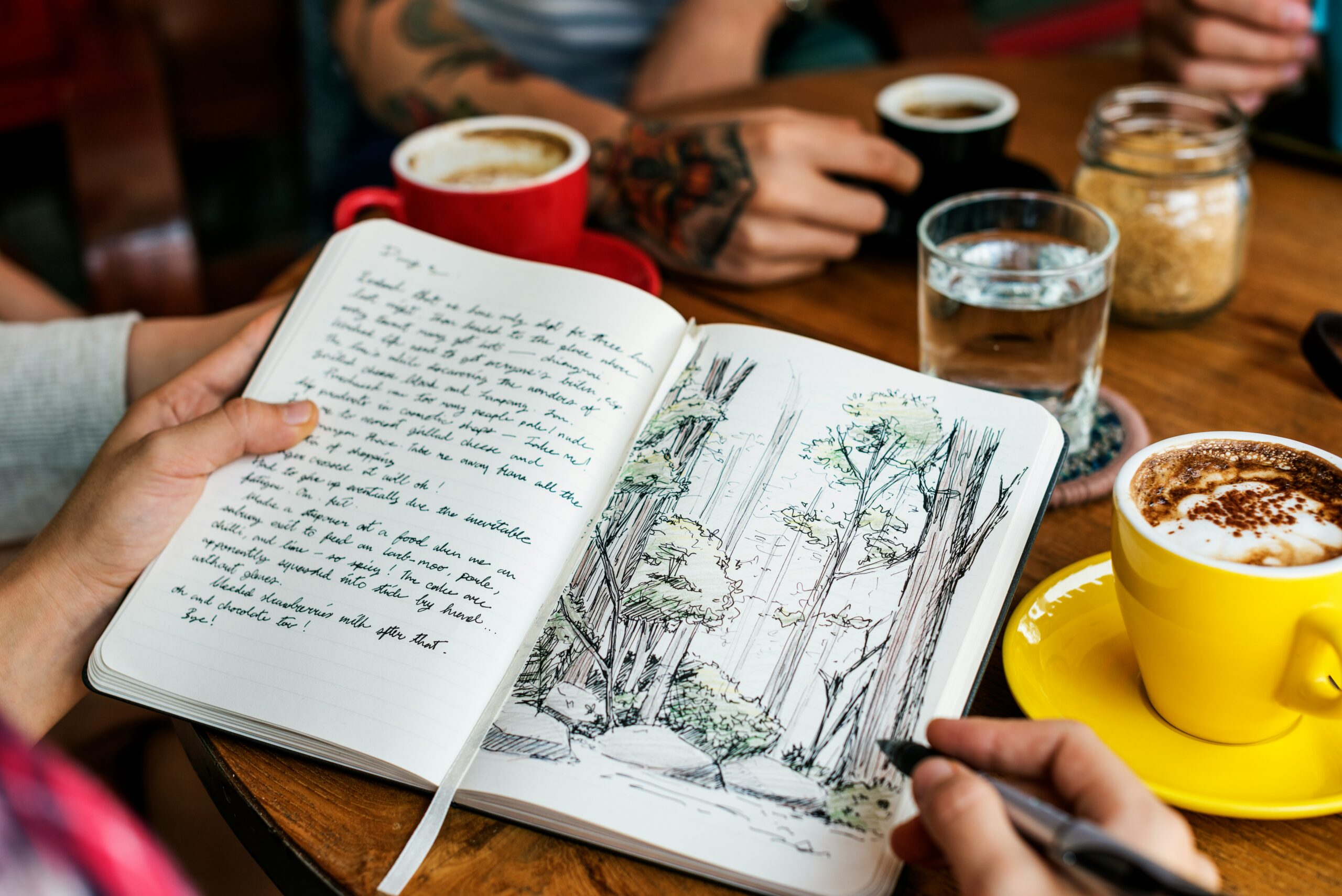
Combining writing and art is more than just a creative choice; it’s a powerful way to express ideas and emotions that words or images alone may not fully capture. When you blend storytelling structure with visual design, you tap into a deeper layer of communication. You build not only stories that entertain but also visuals that resonate emotionally. The union of these two forms enhances the storytelling process, providing a richer experience for both the creator and the audience.
Whether you’re sketching characters as you write or designing a visual journal to explore plot ideas, using both tools adds dimension to your stories. This layered form of storytelling can reveal hidden motivations, strengthen emotional beats, and anchor your creative voice more firmly in the audience’s mind. Even if you’re not a trained artist, drawing or creating mood boards can sharpen your narrative instincts and generate unique ideas.
Using Visuals to Spark Writing Ideas
Often, a blank page can feel intimidating to start. That’s where visuals become incredibly useful. A single drawing, collage, or photograph can inspire an entire plot. The colors, the shapes, and the atmosphere in an image speak to the creative brain in a language words sometimes can’t. This makes combining writing and art a great way to unlock ideas when you feel stuck or overwhelmed by the pressure to write.
Try sketching scenes or designing character outfits before you write the first line. This visual brainstorming helps connect the world you’re building to the emotions you’re trying to evoke. It grounds the story in tangible details and can often lead to more vivid descriptions. Instead of forcing a plot to unfold, the image pulls the story out of you, often in surprising directions.
Creating Mood and Emotion Through Artistic Choices
When crafting a narrative, mood plays a critical role in how the audience connects to your story. Through color, texture, and form, art allows you to control emotional tone without having to describe it outright. By combining writing and art, you gain a toolkit for shaping how readers feel at every stage of your story. You’re not just writing about emotions, you’re designing them.
Think about how dark colors might reflect sadness or fear, while bright, soft tones could suggest joy or comfort. These artistic decisions don’t just decorate your work; they communicate meaning. When you align visual themes with your story’s tone, you deepen the emotional connection and clarify your storytelling. This added layer can help guide readers through even complex or abstract narratives with ease.
Building Characters Through Sketching and Journaling
One of the most rewarding parts of storytelling is creating characters that feel real. When you’re able to sketch a character or craft a visual reference for them, your understanding of who they are becomes sharper. Drawing their facial expressions, outfits, or posture brings them into focus. And when paired with written journal entries or internal monologues, the combination becomes even more powerful.
Combining writing and art in character development lets you see how a person looks and thinks. This holistic view makes it easier to write dialogue that feels natural and plot choices that make sense. You’ll also start noticing visual details you might have skipped otherwise, like a nervous hand gesture or the way a character carries themselves when they’re hiding something. Those little touches often become the most memorable parts of a story.
World-Building with Sketches and Descriptions
Setting the stage for your story is just as important as writing your characters. A strong sense of place makes your narrative more immersive and believable. Using visual maps, architectural sketches, or even simple mood boards can help you get a clear picture of your story’s world. When you draw a location before describing it, you discover details that elevate the scene as a whole.
As you integrate this world visually and in writing, you create a place that feels real enough to live in. By combining writing and art, you maintain consistency in your world’s design and logic. Whether it’s the layout of a small village or the mechanics of a futuristic city, seeing your ideas on paper gives them structure. This structure ensures that your world supports the plot instead of confusing it.
How Art Can Help You Edit More Effectively
Editing is often where the real work of storytelling begins. After writing the first draft, creators must decide what to keep, what to remove, and what to improve. Visual storytelling aids this process by making it easier to spot gaps in logic, emotion, or pacing. When you draw your story arc or map out each chapter’s tone with color or symbols, you can instantly see where things feel off.
This strategy can also help you maintain emotional consistency throughout the piece. By combining writing and art, you identify shifts in energy, mood, or focus that distract or confuse the reader. You’re no longer editing unthinkingly; instead, you’re guided by both written insight and visual markers. This dual feedback loop speeds up the editing process and helps you stay connected to the heart of your story.
Personalizing Your Creative Process
Every storyteller develops their own methods over time. Some prefer silence while others work best surrounded by music and images. By introducing visual elements into your writing process, you gain a new way to explore what works best for you. Doodling between drafts or creating visual storyboards might become your favorite way to recharge your creative batteries.
The beauty of combining writing and art is that there’s no single right way to do it. You can invent a process that fits your needs. Whether you draw characters first and write afterward, or alternate between art and text as you go, the key is to stay open and curious. The more you explore different approaches, the more original your stories become.
Sharing Your Stories with a Visual Twist
In today’s world, stories are shared not only through books but also through social media, blogs, and video. When you incorporate visual elements into your storytelling, you expand your creative reach. You can turn excerpts into illustrated posts, pair poems with digital art, or animate scenes to publish on visual platforms. This makes your work more engaging and accessible to a broader audience.
Sharing stories that use both art and writing also builds stronger emotional connections with readers. They don’t just read your story, they see it, feel it, and remember it. By combining writing and art, you open the door to powerful storytelling formats that stick with your audience longer than words or pictures alone ever could.