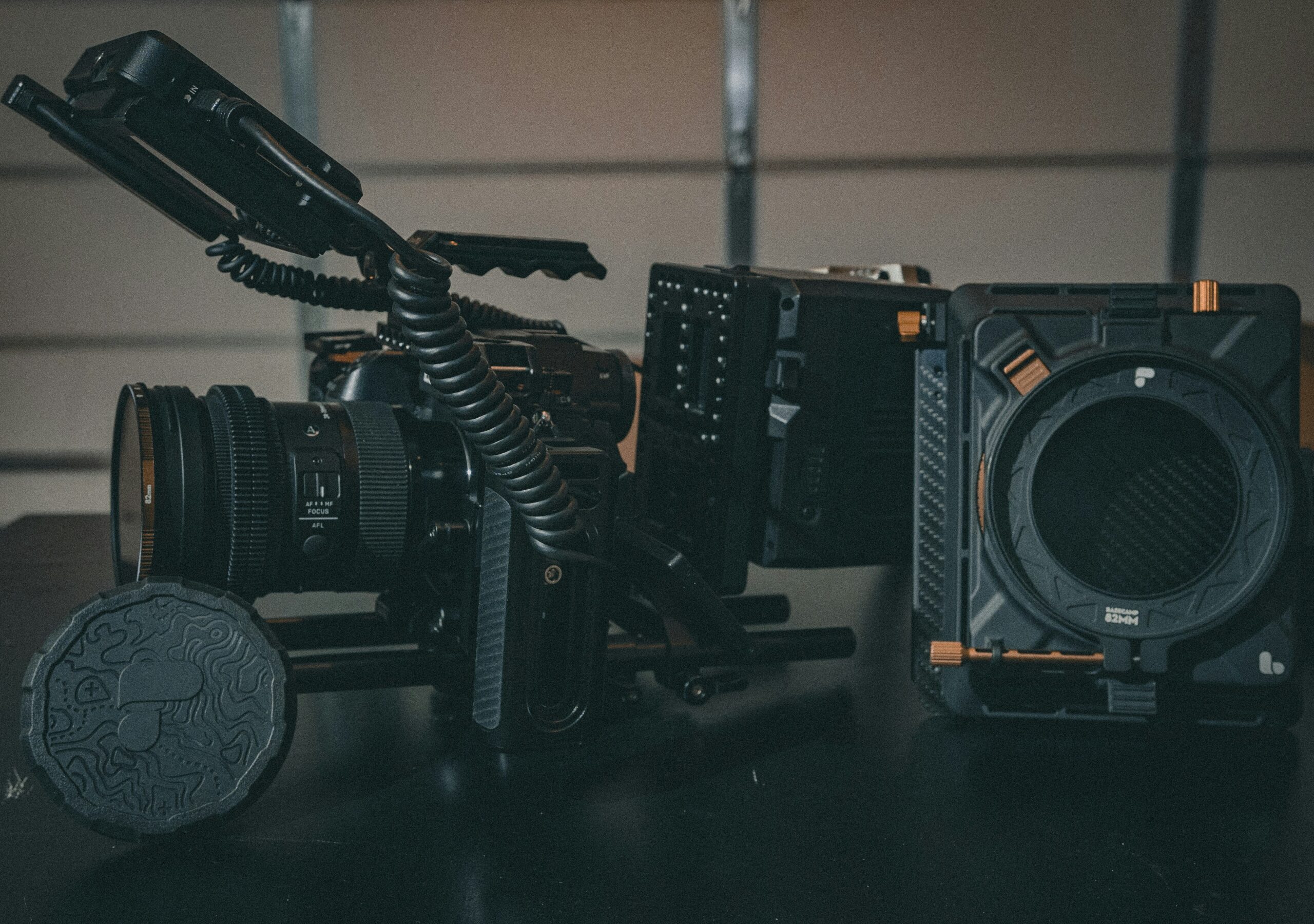
Professional film photography remains a favorite among photographers who want rich tones, sharp details, and a classic look that digital cameras often cannot match. To create stunning images, you need more than talent. You need the right tools. The best Professional Film Photography Equipment gives you control, accuracy, and creative freedom during every shoot. When you build your gear bag with strong, reliable tools, you shoot with confidence and produce images that stand out.
Film photography demands careful planning because each shot matters. There are no instant previews, and mistakes cost time and money. For this reason, many photographers stay prepared with the right combination of cameras, lenses, and accessories. When you use high-quality equipment, you keep your workflow smooth and your results consistent. This guide walks you through the essential gear you need to shoot professional-level film photography.
Professional Film Cameras
Your camera sits at the heart of your film photography setup. You need a model that fits your style, supports your goals, and handles the demands of real projects. Many professionals choose between three formats: 35mm, medium format, and large format. Each works best for different situations, so you gain more control when you pick the right one.
A 35mm camera works well for fast, everyday shooting. It stays light, quick, and easy to carry, which makes it perfect for weddings, events, and street photography. Many professionals use 35mm models because they handle action well and offer a wide selection of lenses. When you shoot on the move, this format helps you stay flexible and productive.
Medium format cameras take image quality to the next level. These cameras produce stunning detail and beautiful tones that make portraits, fashion images, and commercial work stand out. If you want strong dynamic range and smoother gradients, medium format delivers. You get negatives large enough to crop, print, and edit with freedom.
Large-format cameras give you unmatched control and huge negatives. You can adjust perspective, change focus planes, and create images with excellent clarity. While large-format cameras move slowly and require more effort, they shine in fine art, landscapes, and architecture. Professionals who value precision often choose them for long-term projects.
High-Quality Lenses
Your camera matters, but your lens shapes the look of your final image. Strong lenses give you sharpness, contrast, and depth that define your style. Every professional keeps a set of lenses they trust. Prime lenses work exceptionally well because they stay sharp and offer wide apertures. A 50mm prime lens belongs in every gear bag because it handles portraits, street shots, and everyday scenes with ease.
Wide-angle lenses help you capture landscapes, indoor scenes, and environmental portraits. They let you include more of the environment without losing clarity. When you shoot architecture or group shots, wide-angle lenses give you flexibility.
Telephoto lenses serve another purpose. When you shoot portraits, wildlife, or distant subjects, a telephoto lens brings the scene closer. It creates beautiful compression that flatters faces and adds drama to your images. You also get cleaner backgrounds and better subject separation.
When you invest in great lenses, you instantly improve your image quality. Better lenses resist flare, hold sharpness across the frame, and last for years. They remain one of the smartest investments you can make.
Film Stocks You Should Always Carry
Choosing the right film stock helps you control your style and mood. Each film type creates a different look, so having options improves your creativity. Color negative film delivers soft, natural tones and strong flexibility across many lighting conditions. Wedding and portrait photographers use it often because it handles overexposure and shadow detail very well.
Black-and-white film creates a timeless feel. It shows deep contrast, intense emotion, and expressive grain. Many artists choose it for documentary projects, fine art, and personal work. When you want mood and texture, black-and-white film delivers.
Slide film brings bold color and incredible detail. It demands perfect exposure, but when you get it right, your images shine. Nature, commercial, and travel photographers love slide film because of its rich vibrancy and sharpness. When you carry a mix of film stocks, you stay ready for any creative opportunity.
Light Meters for Accurate Exposure
Exposure control is one of the most critical aspects of film photography. Since you cannot preview your shot, you need accurate readings. A handheld light meter solves that problem. It gives you the exact light measurement so you can set your shutter speed and aperture with confidence.
Light meters help you understand how light affects your images. You learn to read shadows, highlights, and mid-tones. With this skill, you improve your creativity and your consistency. In studio shoots, a meter becomes even more critical. It helps you balance flash units, control contrast, and shape your images with precision.
When you use a light meter, you avoid blown highlights, muddy shadows, and wasted film. It becomes one of the most innovative tools in your Professional Film Photography Equipment kit.
Stabilization Tools for Sharp Images
Sharp images require steady support. Even the best camera and lens cannot fix motion blur. Tripods stand at the top of the stabilization list. They keep your camera still during long exposures, night shoots, landscapes, and studio setups. A strong tripod helps you fine-tune your composition and keep every detail sharp.
Monopods help when you move quickly. They support your camera without slowing you down. Many event and sports photographers use monopods to shoot long sessions without arm fatigue. Both tools improve your shooting experience and protect your final images.