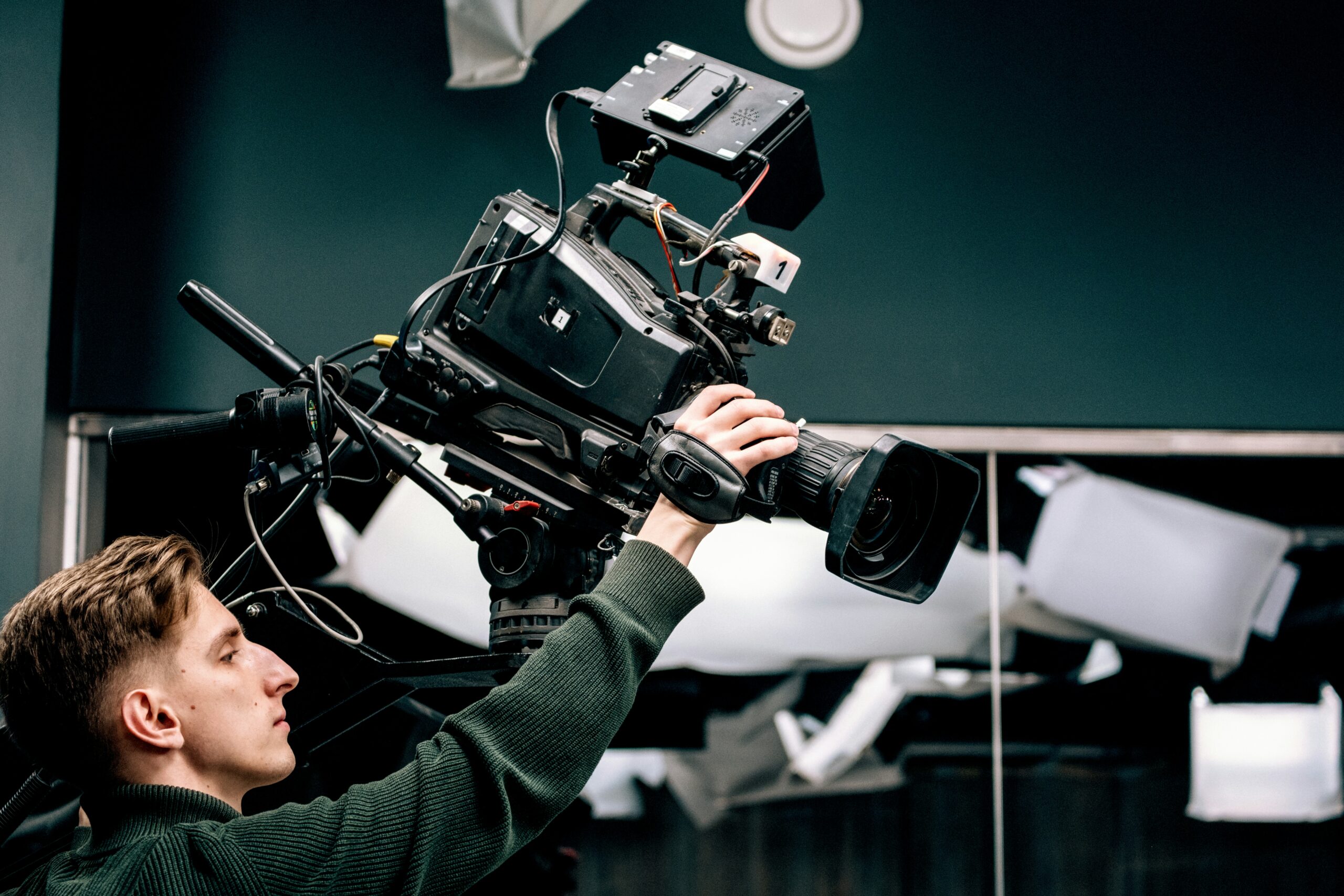
Photography allows people to capture moments, but cinematic photography takes that idea much further. It creates emotion, atmosphere, and storytelling in a single frame. Instead of simply documenting a scene, cinematic photography invites viewers into a narrative. As a result, every image feels like a still taken from a movie.
Today, many photographers want to master cinematic photography because it helps their work stand out. Whether you shoot portraits, landscapes, travel scenes, or street photography, cinematic techniques can transform ordinary images into compelling visual stories. Moreover, with the right approach to lighting, composition, color, and editing, photographers can achieve dramatic results without expensive equipment.
Understanding the Essence of Cinematic Photography
The foundation of cinematic photography lies in storytelling. Every photograph should communicate a feeling, mood, or moment that encourages viewers to imagine what happened before and after the image was captured. Therefore, successful cinematic images often contain elements of mystery, emotion, or tension that spark curiosity.
Unlike traditional photography, cinematic photography focuses heavily on atmosphere. Instead of showing everything clearly, photographers often use shadows, selective focus, and carefully chosen colors to guide attention. Consequently, the viewer experiences the photograph rather than simply looking at it. This emotional connection helps cinematic images leave a lasting impression.
Building Strong Stories Through Composition
Composition plays a major role in cinematic photography because it determines how viewers explore an image. Leading lines, framing elements, and strategic subject placement help create visual flow. As a result, the audience naturally follows the intended path through the photograph while remaining engaged with the story.
Photographers should also think beyond basic composition rules. While the rule of thirds remains useful, cinematic images often benefit from negative space and unconventional framing. Furthermore, placing a subject within a larger environment can create a sense of scale, isolation, or anticipation. These storytelling elements strengthen the narrative and make the image feel more cinematic.
Using Light to Create Drama and Mood
Lighting remains one of the most powerful tools in cinematic photography. Natural light during sunrise and sunset provides warm tones and long shadows that instantly add depth. Meanwhile, overcast conditions create soft, emotional lighting that works well for dramatic portraits and storytelling scenes.
Artificial light offers even greater creative control. Streetlights, neon signs, headlights, and practical indoor lights can produce unique cinematic effects. In addition, photographers can use side lighting and backlighting to create dimension and separation between the subject and the background. By intentionally controlling light, photographers establish mood and guide the viewer’s attention effectively.
Choosing Colors That Support the Story
Color influences emotion more than many photographers realize. Warm tones often create feelings of comfort, nostalgia, or romance. On the other hand, cool tones may suggest mystery, loneliness, or suspense. Therefore, color choices should support the photograph’s message and atmosphere.
Many cinematic photographers develop consistent color palettes for their work. Teal and orange combinations remain popular because they create strong visual contrast while maintaining natural skin tones. However, photographers should experiment with different palettes that match their creative vision. Consistency across images also helps build a recognizable style and strengthens storytelling impact.
Selecting Camera Settings for a Cinematic Look
Camera settings contribute significantly to the final cinematic effect. A wide aperture helps isolate subjects while creating a soft, blurred background. As a result, viewers focus immediately on the most important elements of the image without distraction.
Shutter speed and ISO settings also influence mood and image quality. Lower ISO values generally produce cleaner images with less noise, while slower shutter speeds can introduce subtle motion blur that enhances realism. Furthermore, shooting in RAW format provides greater flexibility during editing, allowing photographers to refine colors and exposure with precision.
Creating Depth and Dimension in Every Frame
Depth helps transform flat photographs into immersive visual experiences. Foreground elements, middle-ground subjects, and background details work together to create layers. Consequently, the viewer feels drawn into the scene rather than observing it from a distance.
Photographers can enhance depth by changing their shooting position and exploring different perspectives. For example, shooting through windows, foliage, or architectural structures adds visual interest and complexity. Additionally, atmospheric conditions such as fog, rain, or smoke naturally increase depth and create a cinematic environment that feels rich and dynamic.
Directing Subjects for Authentic Emotion
People often form the emotional center of cinematic photography. However, authentic expressions matter more than perfect poses. Instead of asking subjects to smile directly at the camera, photographers should encourage natural movement and genuine interaction with the environment.
Storytelling improves when subjects appear engaged in an action or thought process. Walking through a city street, looking out a window, or interacting with meaningful objects can make images feel more believable. Therefore, photographers should focus on capturing moments that feel real rather than overly staged. Authenticity helps viewers connect emotionally with the photograph.
Enhancing Atmosphere Through Environmental Elements
Environmental factors can dramatically improve cinematic photography. Weather conditions such as rain, fog, snow, and mist introduce texture and mood that often cannot be replicated artificially. As a result, these natural elements become valuable storytelling tools.
Urban locations also provide opportunities for cinematic scenes. Reflections on wet streets, glowing neon signs, and dramatic architecture can transform simple compositions into visually compelling narratives. Likewise, rural settings offer atmospheric possibilities through open landscapes, forests, and natural light patterns. The environment should always support the story being told.
Editing Techniques That Complete the Cinematic Style
Editing represents the final stage of cinematic photography. While capturing strong images remains essential, thoughtful editing helps bring the creative vision to life. Adjustments to contrast, highlights, shadows, and color grading can significantly influence mood and atmosphere.
Many photographers use cinematic photo editing techniques to establish a consistent visual identity. Subtle color grading often produces better results than extreme adjustments because it preserves realism while enhancing emotion. Additionally, selective dodging and burning can guide viewer attention toward important areas of the image. Effective editing should support the story rather than overpower it.
Developing Your Unique Cinematic Photography Style
Every successful photographer eventually develops a personal visual language. While studying films and experienced photographers provides valuable inspiration, direct imitation limits creativity. Instead, photographers should analyze what attracts them to certain cinematic images and adapt those ideas to their own perspective.
Consistency comes through practice and experimentation. As photographers refine their lighting choices, compositions, editing methods, and storytelling techniques, a distinctive style begins to emerge naturally. Moreover, reviewing past work helps identify recurring strengths and areas for improvement. Over time, this process creates a recognizable body of work that reflects the photographer’s creative vision.