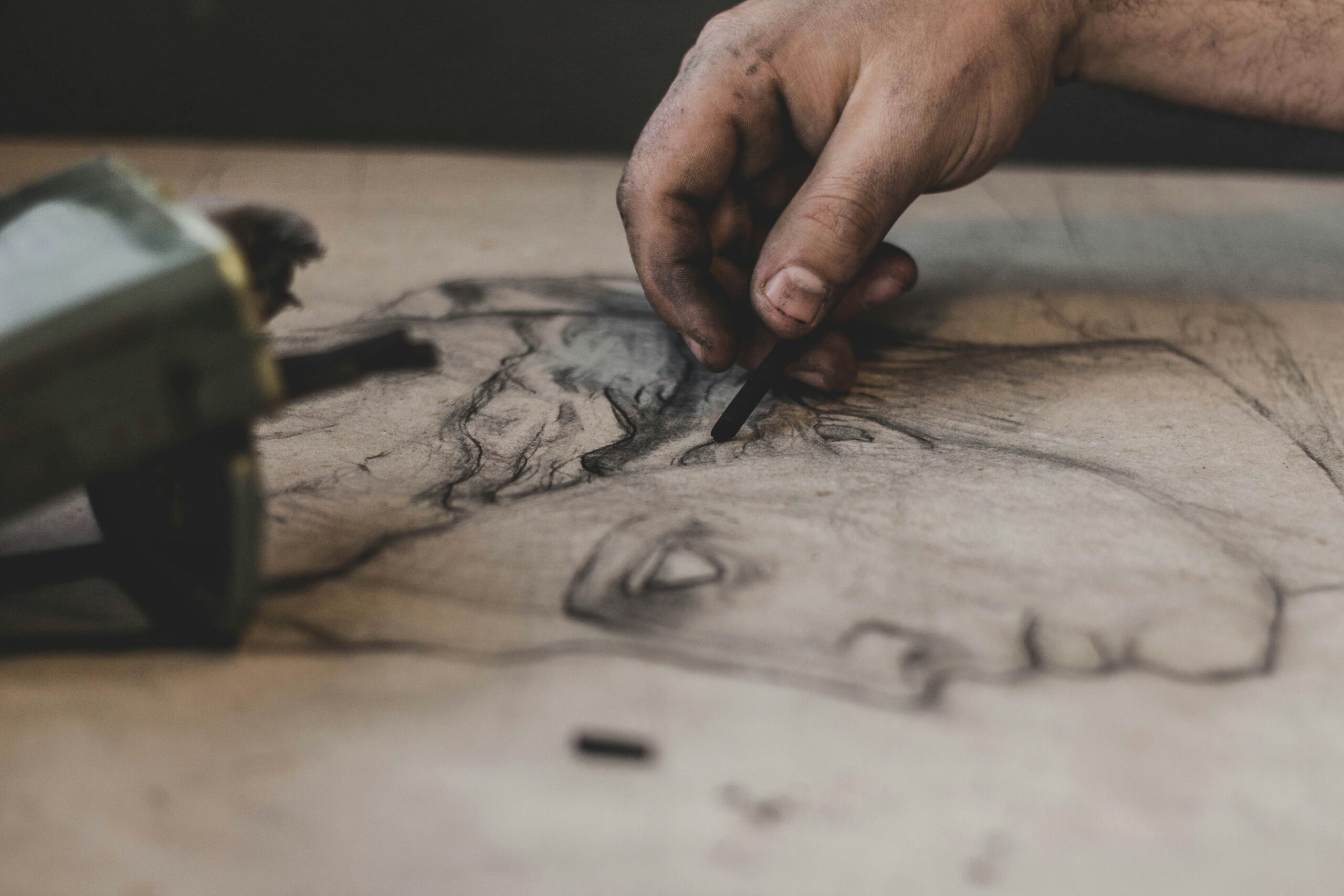
Artistic drawing is a creative journey that transforms simple ideas into meaningful visual expressions. Every masterpiece begins with a basic sketch that captures the first spark of imagination. Artists use sketches to explore shapes, forms, emotions, and concepts before developing a complete artwork. Although a sketch may appear simple, it plays an essential role in building the foundation of a successful drawing. Through careful observation and creative thinking, artists create the early structure that guides the entire artistic process.
Moreover, sketching allows artists to experiment freely without worrying about perfection. During this early stage, they focus on understanding proportions, composition, and the overall balance of the image. By making adjustments and exploring different possibilities, artists discover the strongest direction for their artwork. Therefore, the initial sketch becomes more than a rough outline because it represents the beginning of a visual story that will continue to grow through patience and dedication.
Developing Ideas Through Observation and Imagination
The next stage of artistic drawing involves developing ideas through a combination of observation and imagination. Artists often study the world around them, including people, nature, objects, and environments, to create realistic and inspiring artwork. Through observation, they learn how light, texture, movement, and perspective influence the appearance of different subjects. As a result, artists gain a deeper understanding of their surroundings and use that knowledge to create drawings with greater accuracy and emotion.
At the same time, imagination gives artists the freedom to move beyond reality and create unique interpretations. While observation provides important details, imagination helps transform ordinary concepts into original artistic visions. Additionally, many artists combine personal experiences with creative ideas to produce drawings that connect with viewers on an emotional level. This combination of reality and creativity allows artistic drawings to become powerful forms of communication.
Building Structure with Lines and Shapes
Once an artist develops an idea, the next step focuses on building structure through lines and shapes. Lines create movement, define edges, and guide the viewer’s attention throughout the artwork. Meanwhile, basic shapes help artists organize complex subjects into manageable sections. By understanding how different forms work together, artists can create drawings that feel balanced and visually appealing.
Furthermore, strong structural planning helps prevent mistakes as the artwork becomes more detailed. Artists carefully examine the relationship between different elements and adjust their sketches to improve accuracy. Instead of rushing toward final details, they strengthen the foundation first. Consequently, this careful approach allows the drawing to develop naturally while maintaining proper proportion and harmony.
Adding Depth Through Shading and Texture
After creating a strong structure, artists begin adding depth through shading and texture. Shading gives drawings a sense of dimension by showing how light interacts with surfaces. Through different levels of contrast, artists create the illusion of depth and make flat images appear more realistic. Therefore, mastering shading techniques is an important part of transforming a simple sketch into a more complete and expressive artwork.
In addition, texture helps communicate the unique qualities of different materials and surfaces. Artists use various techniques to represent details such as rough wood, soft fabric, smooth glass, or natural elements. As the drawing develops, these details bring the artwork closer to reality while also adding personality. Through thoughtful use of shading and texture, artists create visual experiences that capture attention and encourage viewers to explore every part of the image.
Refining Details and Strengthening Artistic Expression
The refinement stage allows artists to improve their drawings by focusing on important details and enhancing their overall expression. During this phase, artists carefully review their work and make adjustments that strengthen the final appearance. They may improve facial expressions, correct proportions, or enhance small elements that contribute to the meaning of the artwork. As a result, the drawing becomes more polished and visually engaging.
Additionally, refinement is not only about achieving technical accuracy but also about expressing emotion and personal style. Every artist develops unique methods that influence how they create lines, shapes, and details. Therefore, the final touches often reveal the artist’s personality and creative voice. Through continuous practice and thoughtful improvement, artists transform their drawings into meaningful works that reflect both skill and imagination.
The Role of Tools and Technology in Modern Drawing
Traditional tools such as pencils, charcoal, ink, and paper continue to play an important role in artistic drawing. These materials allow artists to connect directly with their creative process and develop a strong understanding of fundamental techniques. However, modern technology has expanded the possibilities available to artists. Digital drawing tools, creative software, and advanced devices now allow artists to experiment with new styles and improve their workflow.
Furthermore, technology does not replace traditional artistic skills; instead, it supports and enhances them. Many artists combine hand-drawn techniques with digital tools to achieve unique results. For example, they may begin with a traditional sketch and continue refining the artwork digitally. As a result, the modern artistic process offers greater flexibility while preserving the importance of creativity, practice, and artistic vision.
Overcoming Challenges During the Creative Process
Creating a masterpiece from a simple sketch requires patience, dedication, and the ability to overcome challenges. Artists often experience moments when an idea does not develop as expected or when certain techniques become difficult to master. However, these challenges provide valuable opportunities for learning and improvement. By analyzing mistakes and continuing to practice, artists strengthen their abilities and develop greater confidence.
Moreover, the creative process is rarely a straight path from beginning to end. Artists frequently make changes, explore new approaches, and discover unexpected solutions along the way. Therefore, flexibility plays an important role in artistic growth. Instead of viewing difficulties as failures, successful artists recognize them as important parts of the journey toward creating meaningful and impressive artwork.
Transforming a Sketch into a Finished Masterpiece
The transformation from sketch to masterpiece represents the dedication and creativity behind every artistic drawing. Each stage, from the first lines to the final details, contributes to the overall success of the artwork. Artists combine technical knowledge, imagination, and personal expression to create drawings that communicate ideas and emotions. Because of this careful process, a finished artwork carries much more meaning than the simple marks used to create it.
Ultimately, artistic drawing is a continuous journey of creativity, innovation, and professional growth. Every sketch offers an opportunity to develop artistic skills, explore new techniques, and strengthen creative expression. Through consistent practice, careful observation, and a passion for visual storytelling, artists can transform simple ideas into captivating masterpieces that connect with audiences. The journey from sketch to masterpiece highlights the importance of dedication, patience, and artistic vision, proving that exceptional artwork is built through commitment, skill development, and a strong creative foundation. By embracing the process, artists can achieve long-term success and create impactful visual experiences that leave a lasting impression.