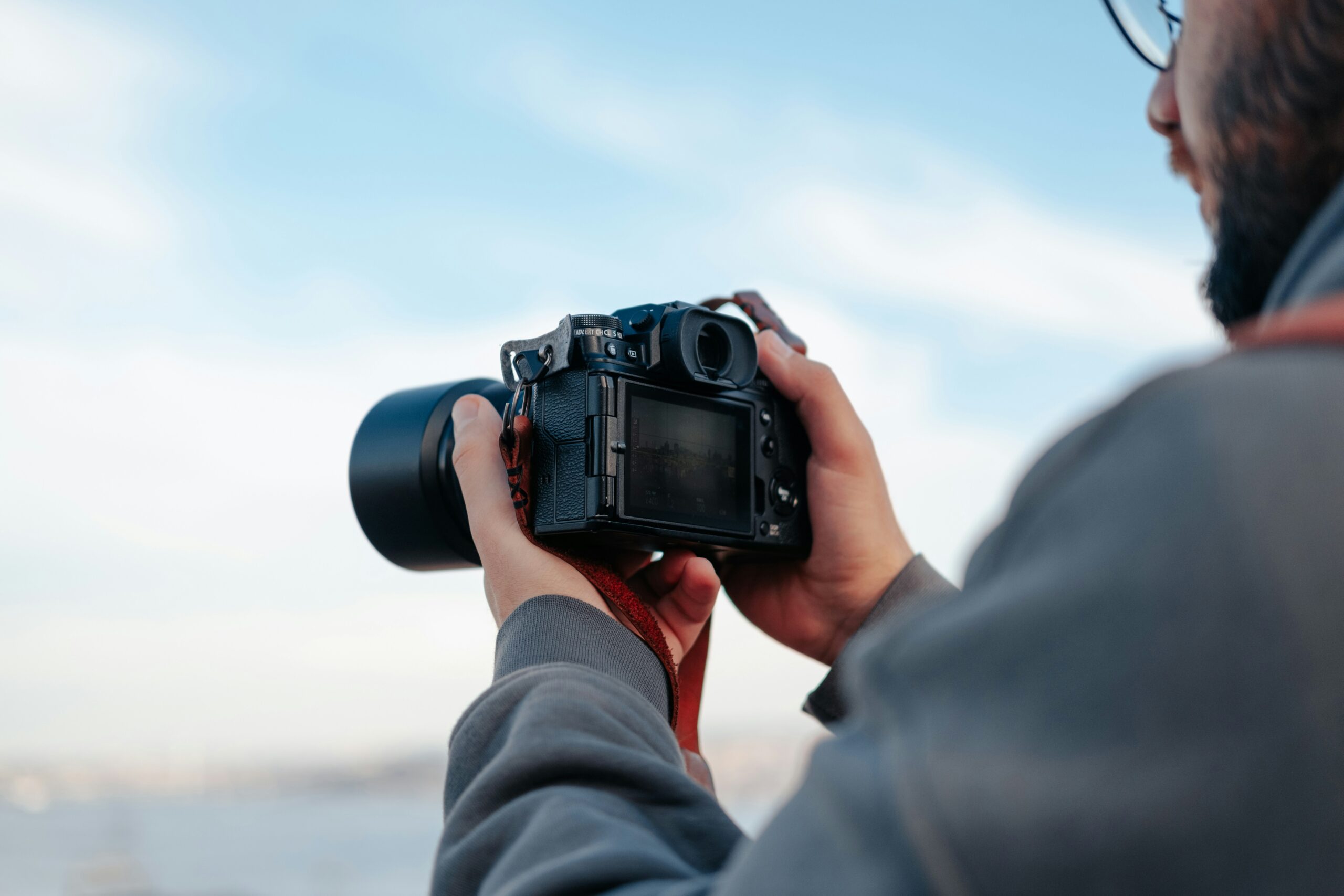
Professional film photography combines technical skill, careful planning, and a strong understanding of light. Unlike digital photography, film gives you limited chances to capture each scene. Every frame costs money, and you cannot immediately check the back of the camera to see whether the exposure worked. Because of this, reliable equipment plays a major role in creating consistent results. A well-planned film photography kit can help you work faster, avoid common mistakes, and focus more attention on the image itself. Choosing the right film essentials also makes professional shoots easier to manage without filling your camera bag with unnecessary equipment.
Whether you photograph portraits, weddings, landscapes, fashion, or commercial projects, you need equipment that matches your shooting style. Fortunately, professional results do not require owning every camera and accessory available. Instead, you should build a practical kit around a dependable camera, quality lenses, suitable film, and a few essential tools.
A Reliable Film Camera
The camera is the center of any professional film photography setup. However, the most expensive camera is not always the best choice. Reliability, lens availability, handling, and repair options can matter more than the name printed on the camera body.
Many professionals use 35mm cameras because they are portable and fast. They also offer more exposures per roll than larger film formats. This makes them useful for weddings, documentary work, street photography, and events.
Medium format cameras provide larger negatives, which can produce excellent detail and smoother tonal changes. For this reason, they remain popular for portraits, fashion, fine art, and commercial photography. Large format cameras offer even greater image quality, although their size and slower operation make them better suited to carefully planned work.
Whatever format you choose, consider carrying a backup body during paid assignments. Older cameras can develop mechanical problems without warning. A second body can keep a small problem from ending an important shoot.
High-Quality Camera Lenses
A professional camera body needs good lenses. In fact, lenses often have a greater effect on the final image than the camera itself.
A standard 50mm lens is an excellent starting point for 35mm photographers. It provides a natural field of view and often has a wide maximum aperture. For portraits, an 85mm or similar short telephoto lens can provide flattering results while creating attractive background separation.
Wide-angle lenses are useful for architecture, landscapes, interiors, and environmental portraits. Meanwhile, longer lenses work well for sports, wildlife, events, and subjects that cannot be approached closely.
You do not need to carry six or seven lenses on every assignment. A carefully selected film setup with two or three dependable lenses will often cover most professional situations. Fewer choices can also help you work more efficiently.
Check older lenses carefully before buying them. Look for fungus, haze, scratches, stiff focus rings, and oil on the aperture blades. These problems can affect both image quality and reliability.
Professional Film Stocks
Film choice has a direct effect on color, contrast, grain, and overall mood. Therefore, selecting the right film stock is an important creative decision.
Color negative film offers flexibility and generally handles exposure errors well. It is commonly used for portraits, weddings, lifestyle photography, and travel work. Black-and-white film provides a classic appearance and gives photographers many options during development and printing.
Slide film can produce rich colors and strong contrast, but it usually has less exposure flexibility. Accurate metering becomes especially important when working with it.
Film speed also matters. Lower ISO films often produce finer grain and work well in bright conditions. Faster films can make shooting in low light easier, although they usually show more grain.
Professionals should also consider consistency. Using familiar film stocks helps you predict how skin tones, shadows, highlights, and different lighting conditions will appear.
A Dependable Handheld Light Meter
Some film cameras have built-in meters, but a handheld light meter remains a valuable professional tool. It can provide accurate readings when a camera meter is old, unreliable, or unavailable.
Incident meters measure the light falling on your subject. They are especially helpful for portraits, studio photography, and controlled environments. Spot meters measure a small area of the scene and can be useful for landscapes or situations with a wide range between shadows and highlights.
Learning how to meter accurately is one of the most valuable skills in film photography. Since you cannot review every exposure immediately, careful measurement reduces wasted frames and improves consistency.
A Strong Tripod and Quality Head
A tripod is essential when working with slow shutter speeds, landscapes, architecture, studio scenes, or large format cameras. It can also encourage more thoughtful composition.
Choose a tripod that can comfortably support your heaviest camera and lens combination. Stability should come before extremely low weight, especially when sharpness is important.
The tripod head deserves attention as well. Ball heads offer quick adjustments, while three-way heads provide precise control over individual movements. Large format photographers may prefer geared heads for extremely accurate positioning.
A cable release is another inexpensive but useful addition. It allows you to activate the shutter without touching the camera, which reduces the chance of vibration during long exposures.
Filters for Better Control
Filters remain particularly useful in film photography because many effects cannot be adjusted after the photograph has been taken.
A polarizing filter can reduce reflections and improve the appearance of skies and foliage. Neutral density filters reduce the amount of light reaching the film, allowing you to use slower shutter speeds or wider apertures in bright conditions.
Black-and-white photographers can use colored filters to change how different colors appear as shades of gray. For example, certain filters can darken blue skies or change the appearance of skin tones.
Buy good filters whenever possible. A low-quality filter placed in front of an excellent lens can reduce sharpness, introduce unwanted reflections, or affect contrast.
Flash and Lighting Equipment
Natural light can produce beautiful photographs, but professional photographers need to prepare for difficult conditions. A dependable flash provides extra control when available light is weak or unflattering.
A portable speedlight works well for events and location portraits. Studio photographers may prefer larger flash units that provide greater power and faster recycling.
Light stands, umbrellas, softboxes, reflectors, and flash triggers can further expand your lighting options. However, you do not need to carry everything on every job. Select lighting equipment according to the assignment.
Because film does not provide immediate feedback, testing your lighting setup with a meter before shooting can prevent costly exposure errors.
Film Storage and Organization
Professional photographers often carry several rolls of film, so organization becomes important. Film should remain protected from excessive heat, moisture, and direct sunlight.
A small film case keeps rolls organized inside your bag. You can also develop a simple system for separating exposed rolls from unused ones. For example, some photographers change the direction of a finished roll inside their case.
When storing film for longer periods, follow the manufacturer’s recommendations. Refrigeration can help preserve many film stocks. However, allow cold film to reach room temperature before opening it to reduce the risk of condensation.
Labeling exposed rolls is also helpful when working on several projects. Basic notes about the date, location, camera, or exposure settings can make development and archiving easier.
Cleaning and Maintenance Supplies
Film cameras are often decades old, which makes basic maintenance especially important. A blower can remove loose dust from lenses and camera surfaces. A clean microfiber cloth can handle fingerprints and light marks on optical surfaces.
Avoid touching shutter curtains, mirrors, focusing screens, or other delicate internal parts unless you know how to clean them safely.
Regular professional servicing can also extend the life of valuable equipment. If a camera develops inconsistent shutter speeds, light leaks, winding problems, or meter errors, have it inspected before using it for important work.
A Practical Professional Camera Bag
A good camera bag protects expensive equipment while keeping everything accessible. Choose a bag with padded dividers and enough space for your working equipment without making it unnecessarily heavy.
Comfort becomes particularly important during long assignments. Shoulder bags provide quick access, while backpacks distribute weight more evenly. Rolling cases can work well for larger commercial setups.
Weather protection is another useful feature. Even if the bag is water resistant, carrying a separate rain cover can provide additional protection.
Your film toolkit should also include spare batteries when your camera or meter requires them, lens caps, a notebook, pens, cleaning supplies, and any small accessories you regularly use. Keeping these items organized prevents delays during a shoot.
Building a Film Photography Kit That Works for You
Professional film photography equipment should support your creative process rather than complicate it. Start with a reliable camera, a few quality lenses, familiar film stocks, and an accurate light meter. Then add a tripod, filters, lighting tools, storage supplies, and other accessories based on the work you actually do.
You can always expand your equipment as your needs change. Before buying another camera or lens, consider whether it solves a real problem or simply adds weight to your bag. A carefully chosen film photography gear collection is usually more useful than a large collection that rarely leaves the shelf.
Most importantly, learn your equipment well enough that operating it becomes natural. Professional film photography depends on preparation, accurate exposure, thoughtful composition, and consistent technique. The right equipment gives you the confidence to concentrate on those skills while making every frame count.