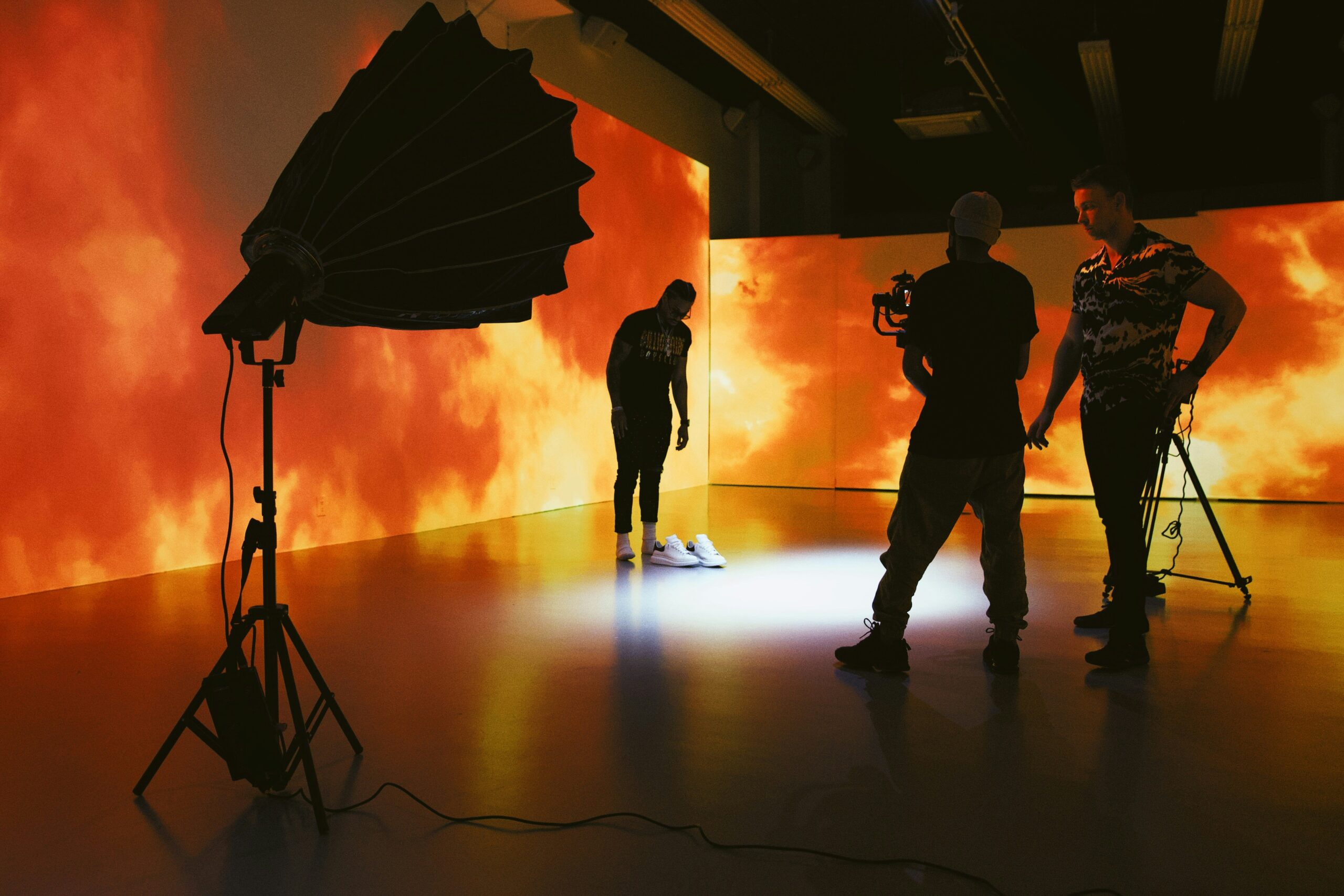
Cinematography turns written ideas into visual experiences that audiences can see, feel, and remember. While a screenplay provides characters, dialogue, settings, and actions, the cinematographer decides how those elements will appear on screen. Every choice involving lighting, camera movement, framing, color, and composition helps shape the emotional meaning of a scene. As a result, the art of cinematography plays a major role in visual storytelling.
Great cinematography does more than make a movie look attractive. Instead, it directs attention, supports the story, and creates an emotional connection between viewers and characters. A carefully framed close-up can reveal fear without dialogue, while a wide landscape shot can communicate freedom, isolation, or danger. Therefore, understanding cinematography techniques helps explain why certain films create such powerful and lasting impressions.
Turning Stories Into Visual Language
A cinematographer, often called a director of photography, works closely with the director to establish the visual style of a production. Before filming begins, they discuss the mood, themes, locations, characters, and emotional direction of the story. Consequently, these early conversations influence almost every visual decision that follows.
Visual storytelling requires thoughtful choices rather than random camera placement. For example, a filmmaker may use symmetrical framing to create a feeling of order. In contrast, an uneven composition may make viewers feel uncomfortable or uncertain. Cinematographers use these visual techniques to communicate information without directly explaining it through dialogue.
Creating Meaning Through Camera Composition
Composition determines how people, objects, and spaces appear inside the frame. Therefore, it strongly influences what viewers notice first. Cinematographers often use principles such as the rule of thirds, leading lines, balance, symmetry, and negative space to guide the viewer’s attention naturally.
However, effective composition does not always follow traditional rules. Sometimes breaking visual conventions creates stronger emotional results. A character placed near the edge of the frame may appear nervous or disconnected. Similarly, large amounts of empty space can suggest loneliness. Because of this, camera composition becomes an important storytelling tool rather than simply a technical decision.
Using Lighting to Shape Emotion
Lighting represents one of the most powerful cinematography techniques. The position, intensity, direction, and color of light can completely change how audiences interpret a scene. Bright, soft lighting may create comfort and warmth, while strong shadows can introduce mystery, fear, or tension.
Moreover, cinematographers carefully consider the relationship between light and character development. A character may appear brightly illuminated during a hopeful moment but surrounded by darkness during a difficult emotional period. These changes may seem subtle, yet they help viewers understand the character’s experience. Therefore, cinematic lighting supports both atmosphere and narrative meaning.
Choosing Camera Angles With Purpose
Camera angles affect how audiences perceive characters and situations. For instance, filming a character from a low angle can make that person appear powerful or intimidating. On the other hand, a high-angle shot may make someone appear vulnerable, small, or uncertain.
Eye-level shots usually create a more natural connection with viewers because the perspective feels familiar. Meanwhile, unusual angles can create discomfort or excitement when the story demands it. However, filmmakers should choose angles because they serve the scene, not simply because they look interesting. Purposeful camera work strengthens storytelling and keeps visual choices connected to the emotional goal.
Adding Energy Through Camera Movement
Camera movement can change the rhythm and energy of a scene. A stationary camera may create calmness, tension, or careful observation. In contrast, tracking shots, handheld movements, pans, tilts, and other techniques can bring audiences directly into the action.
For example, a smooth tracking shot can follow a character through a busy environment and allow viewers to experience the setting naturally. Meanwhile, handheld cinematography may create urgency during an intense scene. However, constant movement can become distracting. Therefore, skilled cinematographers match movement to the story instead of using complicated techniques simply to attract attention.
Selecting Lenses for Visual Storytelling
Lens selection has a major influence on the final image. Different lenses change perspective, depth, distance, and the relationship between characters and their surroundings. Wide-angle lenses can reveal more of the environment, while longer lenses can separate a subject from the background and create a more intimate visual experience.
Additionally, lens choices affect how viewers emotionally experience a scene. A close shot with a carefully selected lens can draw attention to small facial expressions. In comparison, a wide shot may highlight the physical distance between characters. As a result, choosing the right lens becomes an essential part of cinematic storytelling.
Building Atmosphere With Color
Color plays an important role in establishing tone and supporting visual storytelling. Cinematographers may work with production designers, costume designers, directors, and colorists to create a consistent color palette. Warm colors such as orange and gold can suggest comfort or nostalgia, while cooler shades can create feelings of distance or uncertainty.
Color can also develop throughout a movie. For instance, filmmakers may begin with muted tones and gradually introduce richer colors as a character’s life improves. Likewise, a shift toward darker colors may support a more serious period in the story. Therefore, color choices often contribute to storytelling even when viewers do not consciously notice them.
Working With Light, Shadow, and Contrast
Contrast helps establish visual depth and direct attention. High-contrast cinematography creates strong differences between bright and dark areas. As a result, scenes can feel dramatic, mysterious, or intense. Low-contrast images often appear softer and may support quieter emotional moments.
Shadows also offer creative opportunities. A filmmaker might hide part of a character’s face to suggest uncertainty, secrecy, or internal conflict. Meanwhile, natural shadows can add realism to exterior scenes. Because light and shadow work together, cinematographers carefully control both elements to shape the visual identity of each sequence.
Supporting Performance Through Framing
Actors communicate through expressions, gestures, posture, movement, and dialogue. Therefore, cinematography must provide enough visual space for performances to connect with audiences. Close-ups can capture small emotional details, while medium shots often show both facial expressions and body language.
However, the camera should support the performance rather than compete with it. During an emotional conversation, unnecessary camera movement can distract audiences from the actors. A simple, carefully composed shot may create a much stronger impact. Consequently, experienced cinematographers understand when visual restraint serves the story better than technical complexity.
Using Technology Without Losing Creativity
Modern digital cameras provide filmmakers with impressive technical flexibility. They can capture detailed images in difficult lighting conditions, record high-resolution footage, and support advanced post-production workflows. In addition, drones, stabilizers, compact cameras, and virtual production tools have expanded the possibilities of modern cinematography.
Still, technology alone cannot create meaningful images. A filmmaker can own expensive equipment and still produce weak visuals without understanding composition, lighting, perspective, and storytelling. Therefore, strong cinematography depends on creative decisions first. Equipment should support the artistic vision rather than become the main focus of the production.
Maintaining Visual Consistency
A strong film usually develops a recognizable visual identity. Cinematographers achieve this consistency by carefully planning camera movement, lighting styles, lens choices, colors, and framing patterns. As the story progresses, those visual elements may evolve while still feeling connected to the overall design.
Consistency also helps audiences remain engaged. Sudden visual changes without a narrative reason can feel distracting. However, intentional changes can signal an important shift in mood, character, or story direction. For that reason, cinematographers must balance visual consistency with creative flexibility throughout production.
The Lasting Power of Cinematography
The art of cinematography combines technical knowledge with creativity, observation, and storytelling skill. Every decision, from lens selection to lighting design, influences how viewers experience a scene. Furthermore, effective cinematography communicates emotions and ideas that dialogue alone may never fully express.
Ultimately, great cinematography serves the story. Audiences may not consciously analyze every camera angle, shadow, movement, or color choice, yet they feel the combined effect. From the moment light enters the lens until the finished image appears on screen, cinematography transforms ideas into memorable visual experiences and gives filmmakers a powerful language for connecting with audiences.