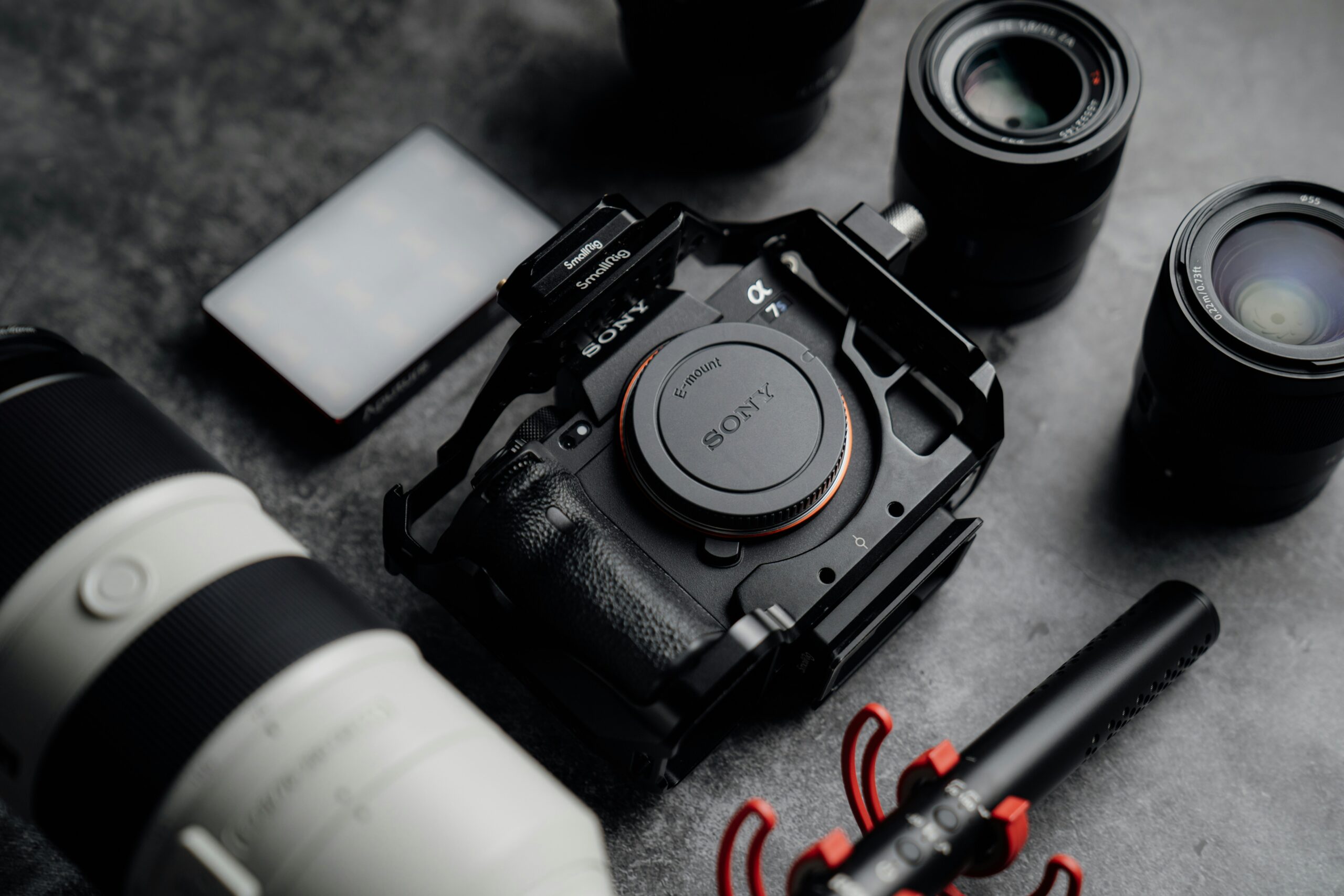
Professional film photography combines technical skill, creative judgment, and carefully chosen equipment. While digital cameras offer instant previews and automatic assistance, shooting film asks photographers to slow down and think carefully about every frame. A dependable film photography setup makes that process smoother and helps produce consistent results. Whether you plan to shoot portraits, weddings, street scenes, landscapes, or commercial projects, choosing the right equipment can make a major difference.
The good news is that professional results do not require owning every vintage camera or accessory you can find. Instead, you need reliable tools that match your shooting style. From cameras and lenses to light meters and film storage, each piece of equipment has a practical purpose. Understanding those purposes will help you build a kit that supports your creativity without becoming unnecessarily complicated.
Choose a Reliable Film Camera
The camera is naturally the center of any professional setup. Film cameras come in several formats, including 35mm, medium format, and large format. Each offers a different balance of image quality, portability, cost, and ease of use. A 35mm camera is often the most practical choice for photographers who work quickly. These cameras are generally compact, and many systems offer a wide selection of lenses. They work particularly well for street photography, events, travel, documentary projects, and fast-moving portrait sessions. Medium-format cameras use larger film and can capture greater detail. As a result, they remain popular for portraits, fashion, fine art, and carefully planned commercial work. However, medium-format cameras and lenses are usually larger and heavier than 35mm equipment. Large-format cameras provide even more control and image detail. They can be excellent for architecture, landscapes, studio photography, and fine-art projects. However, they require a slower working method and additional equipment. Whatever format you choose, reliability matters more than appearance. A professional camera should have an accurate shutter, a clean viewfinder, a properly functioning film advance system, and dependable seals. A beautiful vintage body is not useful if it produces unpredictable exposures or light leaks.
Invest in Quality Lenses
A camera body controls the film and exposure process, but the lens plays a major role in determining how the final image looks. Therefore, good lenses should be a priority when building your kit. A standard 50mm lens is an excellent starting point for 35mm cameras. It provides a natural-looking perspective and is useful for portraits, everyday photography, travel, and documentary work. Many 50mm lenses also have wide maximum apertures, making them helpful in lower light. Wide-angle lenses are useful for architecture, environmental portraits, landscapes, and interiors. Telephoto lenses, meanwhile, help photographers isolate subjects or work from a greater distance. Portrait photographers may prefer lenses around 85mm or 105mm on a 35mm system because they can create flattering perspectives and strong background separation.
Professional film shooters do not necessarily need a large lens collection. In fact, working with two or three dependable lenses can make decisions faster while keeping the camera bag manageable.
Carry a Dedicated Light Meter
Accurate exposure is especially important with film because you cannot immediately check the image on a screen. Although some film cameras include built-in meters, a handheld light meter provides another level of control. A dedicated meter can measure either reflected or incident light, depending on the model. Incident readings are particularly useful for portraits and studio sessions because they measure the light falling directly on the subject. Learning to use a meter also strengthens your understanding of exposure. Over time, you become better at recognizing lighting conditions and predicting suitable camera settings. That knowledge is valuable even when your camera includes an automatic exposure system. For professional film work, carrying a small backup meter can also protect you if your camera’s internal meter suddenly stops working.
Select Film for the Intended Look
Film stock is not simply something you put inside the camera. It is part of the creative process. Different films produce different colors, contrast levels, grain patterns, and responses to light. Color negative film is flexible and works well for portraits, weddings, lifestyle photography, and everyday assignments. Black-and-white film provides a classic appearance while encouraging photographers to pay closer attention to light, shape, texture, and contrast. Slide film can produce rich colors and impressive detail, but it usually offers less exposure flexibility. Consequently, careful metering becomes especially important.
ISO also affects your choices. Lower-speed film can provide fine grain and excellent detail in bright conditions. Higher-speed film offers greater flexibility in low light but generally introduces more visible grain. Professional film shooters often carry several film speeds so they can respond to changing conditions.
Use a Strong Camera Bag
Professional film equipment needs protection. A well-designed camera bag keeps cameras, lenses, film, batteries, meters, and accessories organized while protecting them from impacts and weather. Choose a bag with padded compartments that can be adjusted to fit your equipment. Weather-resistant materials are useful if you frequently work outdoors. Comfortable shoulder straps or backpack straps also become important during long assignments. Organization matters too. You should be able to reach essential equipment without searching through the entire bag. Keeping exposed and unexposed film in separate compartments is particularly helpful. A simple system prevents mistakes when you are working quickly.
Keep a Stable Tripod Available
A tripod may not be necessary for every assignment, but it remains an important piece of professional film equipment. It allows you to use slower shutter speeds while keeping the camera stable. Landscape, architecture, still-life, night, and long-exposure photographers can benefit greatly from a sturdy tripod. Medium-format and large-format users may also rely on tripods more frequently because their cameras can be heavier. Look for a tripod that provides enough stability for your camera without being unnecessarily difficult to carry. Carbon-fiber models can reduce weight, while quality aluminum tripods may offer excellent stability at a lower cost. A cable release is another useful addition. It lets you activate the shutter without directly pressing the camera’s shutter button, reducing the chance of movement during long exposures.
Add Filters and a Lens Hood
Filters can solve practical problems before the image ever reaches the darkroom or scanner. For example, a polarizing filter can reduce reflections and deepen the appearance of skies. Neutral-density filters reduce the amount of light entering the camera, which allows photographers to use wider apertures or slower shutter speeds in bright conditions. Black-and-white photographers can also use colored filters to control how different colors appear as shades of gray. A lens hood is simpler but equally useful. It can reduce unwanted flare and improve contrast when bright light hits the lens from an angle. In addition, a hood provides some physical protection for the front of the lens.
Pack Cleaning and Maintenance Supplies
Film cameras are mechanical devices, and many professional models are now decades old. Basic cleaning supplies help keep them working properly. A blower can remove loose dust from lenses and camera surfaces. A soft lens brush and microfiber cloth can handle additional cleaning. Lens cleaning solution should be used carefully and only when necessary. Avoid touching the camera’s shutter curtains, mirror, or other delicate internal components unless you know exactly what you are doing. Mechanical repairs and deep cleaning are usually better handled by a qualified technician. Regular servicing can also be worthwhile for equipment used professionally. A camera that works correctly today may still have aging seals, lubricants, or electronic components. Preventive maintenance reduces the chance of a failure during an important assignment.
Protect and Organize Your Film
Film needs appropriate storage before and after exposure. Heat and humidity can affect its condition, so photographers should store unused rolls in a cool, dry environment. Long-term storage may require refrigeration, depending on the film and expected storage period. When traveling, keep film organized by type and ISO. Small labeled containers or separate bag compartments can make this easy. You should also develop a system for identifying exposed rolls immediately. Professional analog photography depends heavily on organization because there is no memory card automatically recording hundreds of files. Clear labels and careful handling reduce the chance of losing or accidentally reusing important film.
Consider Flash and Lighting Equipment
Natural light can produce beautiful results, but professional photographers often need greater control. A compatible flash provides additional flexibility for portraits, events, interiors, and difficult lighting situations. A basic speedlight may be enough for mobile assignments. Studio photographers may prefer more powerful strobes with light modifiers such as umbrellas, reflectors, or softboxes. When using older film cameras, check flash compatibility carefully. Trigger voltages, synchronization systems, and maximum sync speeds can vary between cameras. Understanding your equipment before an assignment prevents technical surprises. A simple reflector is another valuable tool. It requires no batteries and can redirect available light toward a subject. For portrait work, this small addition can noticeably improve shadows and facial lighting.
Bring Spare Batteries and Small Accessories
Many later-generation film cameras depend on batteries for metering, autofocus, film advancement, or shutter operation. Therefore, spare batteries belong in every professional kit. Even fully mechanical cameras may use batteries for their light meters. Check battery condition regularly and store replacements somewhere easy to reach. Other small accessories can be equally useful. A notebook helps record exposure information, film types, lighting setups, and development notes. A permanent marker can label exposed rolls. A small flashlight can help during nighttime shoots, while weather protection can keep equipment safe during unexpected rain. These inexpensive items may seem less exciting than cameras and lenses, yet they often solve practical problems in the field.
Build a Film Development and Scanning Workflow
Taking the photograph is only part of the process. Professionals also need a dependable method for developing, scanning, printing, or delivering their images. You can work with a professional laboratory or develop film yourself. A trusted lab saves time and can provide consistent processing. Home development, particularly for black-and-white film, offers greater control but requires additional equipment and careful technique.
If you scan negatives yourself, a suitable scanner or digital camera scanning setup becomes another important investment. Consistent scanning helps maintain accurate colors, useful detail, and predictable output. Back up finished scans in more than one location. Film negatives provide a physical original, but digital copies are still vulnerable to drive failures or accidental deletion.
Build Your Kit Around Real Needs
It can be tempting to collect cameras simply because vintage equipment is interesting. However, a professional kit should make your work easier rather than create more choices and complications. Start with one dependable camera, one or two quality lenses, a meter, enough film, and essential accessories. Then add equipment when a genuine need appears. For example, buy a tripod when your work requires slower exposures rather than purchasing one because every equipment list recommends it. The best professional film photography setup is ultimately the one you understand thoroughly. Familiar equipment helps you work faster, solve problems confidently, and concentrate on the subject instead of the camera. Film photography rewards preparation and patience. A carefully chosen camera, quality lenses, accurate metering tools, dependable storage, and a consistent processing workflow create a strong foundation for professional work. As your experience grows, your equipment can grow with it, but professional film should always remain focused on creating meaningful images rather than collecting gear. With the right tools and a disciplined workflow, film can remain a practical and rewarding medium for serious photographers.